

A digital presence is defined as the totality of how your business appears and is found online, spanning your website, social media profiles, search engine results, and business listings. For small business owners, this is not a nice-to-have. It is the primary signal that tells customers, partners, and investors whether your brand is credible and worth engaging with. Digital presence measures visibility, consistency, and professionalism across every corner of the internet. Get it right, and your business becomes findable. Get it wrong, and you become invisible.
What is a digital presence made up of?

A digital presence is the sum of every place your business exists or is mentioned online. It includes what you publish and what others say about you. Digital presence extends beyond your own content to include reviews, mentions, and third-party references that shape public perception.
The core components every small business needs to account for are:
- Domain and website. Owning yourbrandname.com is a fundamental signal of legitimacy. A third-party hosted page or a free subdomain signals that a brand is not yet established.
- Social media profiles. Your handles on platforms like Facebook, Instagram, and LinkedIn need to be consistent. Inconsistent social handles signal disorganisation and fragment your brand identity in search results.
- Search engine visibility. When someone searches your business name, what appears? Thin or absent results suggest an unestablished brand.
- Online business listings. Google Business Profile, Apple Maps, and local directories all contribute to your discoverability. Incorrect or outdated listings actively lose you potential customers.
- Reviews and mentions. Star ratings, testimonials, and press mentions all form part of your digital footprint, whether you manage them or not.
One distinction worth making early: digital presence is not the same as audience size. A business with 50 genuine Google reviews and a well-maintained website has a stronger digital presence than one with 10,000 social followers but no domain, no listings, and no search visibility.
Why does a strong digital presence matter for small businesses?
A strong digital presence builds brand awareness, generates leads, and earns trust before a customer ever contacts you. The compounding effect is real. Businesses that maintain regular online presence attract more leads over time than those relying solely on outbound chasing.
“A digital presence is the primary ‘findability factor’ that investors and partners examine first before engaging with a brand. Before a meeting, before a call, before a proposal, they search. What they find shapes everything that follows.”
For small businesses in Australia, this matters at every stage of growth. A customer who finds your Google Business Profile with accurate hours, genuine reviews, and a link to a working website is far more likely to make contact. A potential wholesale partner who searches your brand name and finds nothing will move on quickly.
Pro Tip: Set a calendar reminder every quarter to search your own business name on Google. What you see is exactly what a new customer or partner sees. If the results are thin, that is your signal to act.
The long-term benefit of consistent digital engagement compounds in the same way a savings account does. Small, regular deposits of content, reviews, and profile updates build authority that outperforms irregular bursts of activity. You can read more about how brand searches affect SEO and why consistency in your online presence directly influences how search engines rank and trust your business.
How do you audit your current digital presence?
Auditing your digital presence means systematically checking every place your business appears online and identifying gaps. Most small business owners have never done this, and the gaps they find are often significant.
Follow these steps to complete a basic audit:
- Search your business name on Google. Note what appears on page one. Look for your website, social profiles, reviews, and any third-party mentions.
- Check your domain ownership. Confirm you own your domain and that it is not expiring soon. A lapsed domain is a critical red flag.
- Review your website on a mobile device. A fast, mobile-friendly website builds trust. A slow or broken mobile experience drives visitors away.
- Audit your social media profiles. Check that your handles are consistent across platforms and that your bio, contact details, and profile images are current.
- Check your business listings. Log into Google Business Profile and verify that your address, phone number, hours, and website URL are accurate.
- Monitor brand search trends. Tools like Google Trends show whether search interest in your brand name is rising or stagnating. Monitoring search visibility helps you understand whether your marketing efforts are building awareness.
The table below outlines the most common red flags and what they signal to customers and partners.
| Red flag | What it signals |
|---|---|
| No website or expired domain | Brand is unestablished or abandoned |
| Inconsistent social handles | Disorganisation and fragmented identity |
| Thin or absent search results | Low credibility and poor discoverability |
| Outdated business listings | Unreliable and potentially closed |
| No reviews or mentions | Unproven and untrusted by others |
Pro Tip: Use the free version of Google Search Console to see which search queries are bringing people to your website. If your brand name is not appearing as a top query, your digital footprint needs attention.
Practical strategies to build and strengthen your online presence
Building a strong digital presence does not require a large budget. It requires consistency, the right foundations, and a willingness to start before everything is perfect. Small businesses benefit most from iterative building rather than waiting for a polished launch that never comes.
The core strategies that deliver results are:
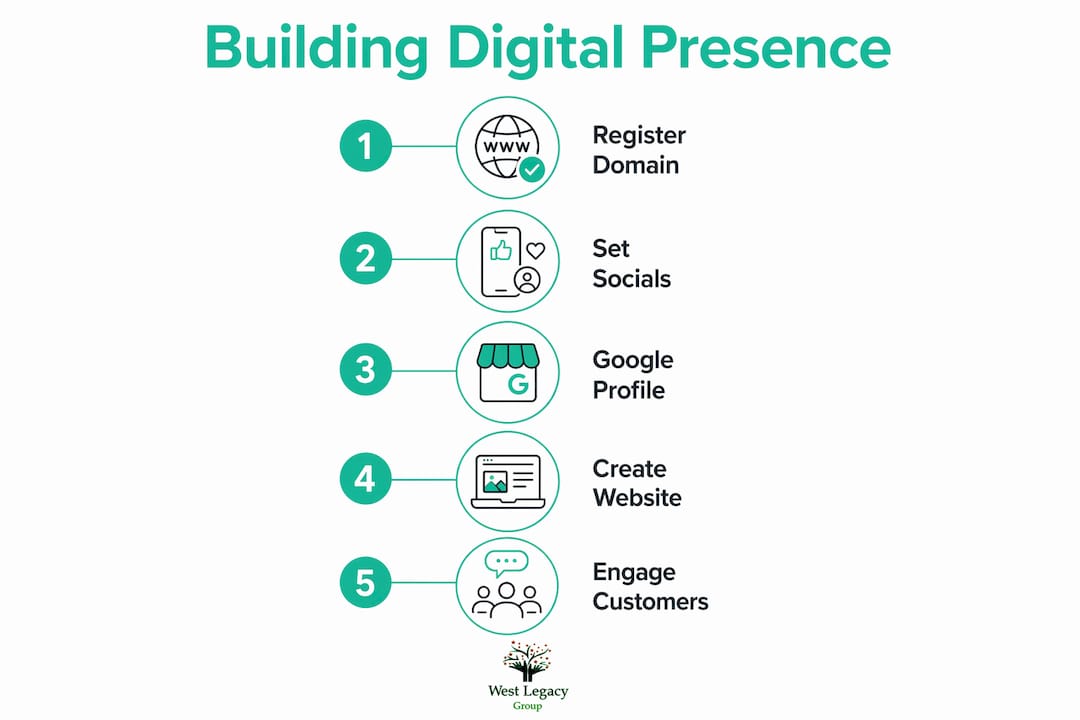
- Register and own your domain. Owning a registered domain aligns with your trademark and protects your brand identity long-term. Do this before anything else.
- Claim consistent social media handles. Even if you are not active on every platform, claim your brand name so no one else can. Consistency across handles helps search engines associate accounts with the same business.
- Build a mobile-friendly website. Your website is your digital headquarters. It does not need to be complex, but it must load quickly, display correctly on phones, and clearly explain what you do and how to contact you.
- Optimise your Google Business Profile. Complete every field, add photos, respond to reviews, and keep your hours current. Local search visibility depends heavily on this listing.
- Engage regularly on your chosen platforms. Pick one or two platforms where your customers spend time and post consistently. Irregular posting is less effective than a steady, predictable cadence.
- Earn and respond to reviews. Ask satisfied customers to leave a Google review. Respond to every review, positive or negative. This signals to both search engines and prospective customers that your business is active and attentive.
The table below compares two common approaches small businesses take when building their online presence.
| Approach | Typical outcome |
|---|---|
| Wait for perfection before launching | Delayed visibility, missed leads, stagnant growth |
| Launch early and update consistently | Faster trust-building, better search signals, compounding authority |
For a practical starting point, the local SEO checklist for small business from West Legacy Group walks you through the exact steps to improve your local search visibility in 2026. If you want to go deeper on growing your local online presence, that guide covers platform-specific tactics worth bookmarking.
Pro Tip: Treat your Google Business Profile like a second website. Businesses that post updates, add photos monthly, and respond to every review consistently outperform those that set and forget their listing.
What I have learned about digital presence after 20 years in small business
After two decades building West Legacy Group and working alongside small business owners across Australia, the single most common mistake I see is treating digital presence as a project with a finish line. It is not. It is an ongoing asset that either grows or decays depending on the attention you give it.
The businesses that struggle most are not the ones with small budgets. They are the ones that launched a website in 2018, never updated it, and assume their digital presence is sorted. Meanwhile, their Google Business Profile has wrong hours, their domain is about to expire, and their last social post was three years ago. That combination does not just look unprofessional. It actively costs them customers every single week.
What I tell every small business owner I work with is this: start with the basics and do them well. Own your domain. Claim your handles. Get your Google Business Profile accurate. Then build from there. A business with a clean, consistent, and current digital footprint will outperform a competitor with a flashy website that is never updated.
The compounding effect of consistent digital engagement is real and measurable. Small improvements made regularly, whether that is a new blog post, a review response, or an updated photo, accumulate into genuine authority over time. You do not need to do everything at once. You need to do something every week.
— Christopher
How West Legacy Group can support your digital presence
West Legacy Group has been helping Australian small businesses build credible, visible, and well-maintained digital presences for years. If your audit revealed gaps, whether that is an outdated website, missing listings, or thin search results, the team at West Legacy Group has affordable packages built specifically for businesses at your stage.
The small business website design packages from West Legacy Group are built to be fast, mobile-friendly, and search-ready from day one. If you want to take control of your search visibility, the DIY SEO planning tool is a practical starting point that does not require a marketing degree to use. West Legacy Group also offers digital marketing services in Bendigo and beyond, with a focus on sustainable growth for small businesses. Reach out to the team to discuss what your business needs most.
FAQ
What does digital presence mean for a small business?
Digital presence is how your business appears and is found across the internet, including your website, social media profiles, search results, and business listings. It signals credibility and discoverability to customers, partners, and investors.
What is the difference between a digital presence and a digital footprint?
A digital presence is the active, managed set of channels your business controls online. A digital footprint is the broader trail of all online activity, including mentions, reviews, and references created by others, that exists whether you manage it or not.
How do I start building a digital presence from scratch?
Register your domain name first, then claim consistent social media handles, set up a Google Business Profile, and build a simple mobile-friendly website. Consistency across these foundations matters more than having every channel active at once.
Why is Google Business Profile so important for local businesses?
Google Business Profile is the primary driver of local search visibility. Accurate and complete listings directly influence whether your business appears when nearby customers search for your products or services.
How often should I audit my digital presence?
A basic audit every quarter is sufficient for most small businesses. Check your search results, review your business listings for accuracy, and confirm your website is loading correctly on mobile devices.
Key takeaways
A strong digital presence is built on consistent, accurate, and well-maintained foundations across your website, social profiles, search results, and business listings.
| Point | Details |
|---|---|
| Own your domain | Registering yourbrandname.com is the first and most critical step in establishing credibility online. |
| Consistency beats perfection | Launching and updating regularly builds trust faster than waiting for a perfect website or profile. |
| Audit every quarter | Search your brand name, check listings, and review your website on mobile at least four times a year. |
| Google Business Profile matters | Accurate and active listings directly drive local discoverability and customer trust. |
| Digital presence compounds over time | Regular small updates to content, reviews, and profiles build lasting authority that outperforms irregular effort. |